Exploring the cultural significance of gambling in modern society
The Historical Roots of Gambling
Gambling has ancient origins, dating back thousands of years across various cultures. From early dice games in Mesopotamia to betting on chariot races in ancient Rome, these activities served not only as entertainment but also as rituals that reflected societal values and beliefs. Over time, gambling evolved into a significant part of community gatherings, often reinforcing social bonds and hierarchies. Understanding this historical context is crucial as it illustrates how deeply ingrained gambling is within the fabric of human civilization. For those interested in modern options, visiting online pokies new zealand can provide insights into current trends.
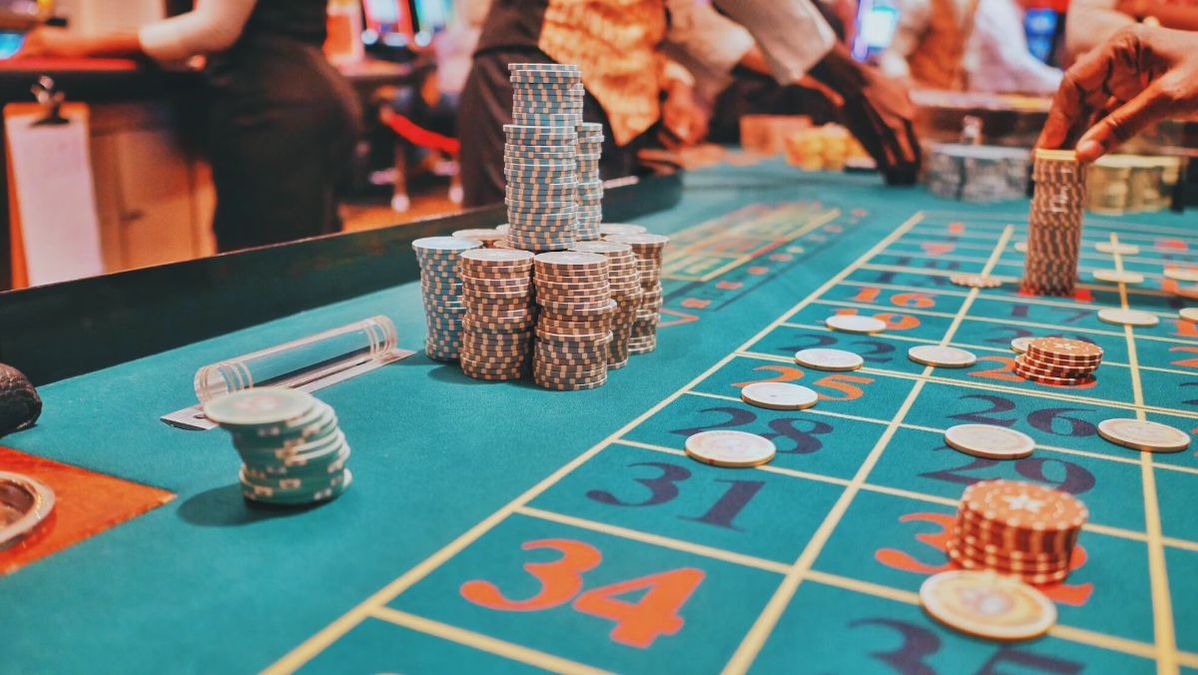
Throughout history, gambling has functioned as a mirror reflecting societal changes, such as the rise of capitalism and individualism. In the late medieval period, gambling became more organized, with the establishment of betting houses and lotteries. These developments not only allowed for greater participation but also highlighted the interplay between risk and reward, a concept that resonates with modern economic principles. Today, this historical lineage influences contemporary attitudes toward gambling as both a leisure activity and a potential source of income.
Moreover, the rituals and practices surrounding gambling have contributed to its cultural significance. Many cultures incorporate gambling into traditional celebrations or festivals, reinforcing its role in community identity. The nuances of these practices can vary widely; for example, while some cultures embrace gambling as a social pastime, others may associate it with moral dilemmas and social issues. This duality adds layers of complexity to the cultural narrative surrounding gambling in modern society.
Gambling in Modern Entertainment
In contemporary society, gambling has seamlessly integrated into various forms of entertainment, from online casinos to sports betting. The rise of digital platforms has made gambling more accessible than ever, allowing individuals to participate from the comfort of their homes. This shift not only democratizes access to gambling but also creates a dynamic interaction between technology and cultural practices. As more people engage in online gambling, the industry continues to innovate, leading to the development of immersive experiences that cater to a diverse audience.
Television and film have also played a significant role in shaping perceptions of gambling. Movies like “Casino Royale” and “Rounders” romanticize the world of high-stakes gambling, contributing to its allure. These portrayals can glamorize the lifestyle associated with gambling, often overshadowing the potential risks and consequences. As such, modern entertainment serves as both a promotion of gambling culture and a commentary on the human condition, inviting audiences to reflect on their own relationships with risk and reward.
Furthermore, the fusion of gambling with other entertainment sectors, such as sports, has sparked a cultural phenomenon. Fantasy sports leagues and betting apps allow fans to engage with their favorite teams in unprecedented ways, turning traditional sporting events into opportunities for financial gain. This blending of gambling and entertainment illustrates how the industry has adapted to contemporary interests and desires, becoming a staple of modern leisure activities.
The Social Implications of Gambling
The social implications of gambling extend beyond mere entertainment; they encompass significant issues related to community well-being and individual health. On one hand, gambling can serve as a social connector, bringing people together for a shared experience. Social gambling events, whether local poker nights or charity casino fundraisers, can foster camaraderie and community spirit. However, on the other hand, gambling can also lead to addiction and financial distress, raising critical questions about responsibility and the role of regulation.
In many cultures, discussions surrounding gambling often intertwine with moral and ethical considerations. Critics argue that gambling can exploit vulnerable populations, leading to cycles of debt and social isolation. Conversely, proponents highlight the economic benefits generated through taxes and job creation in industries connected to gambling, such as hospitality and tourism. This complex dichotomy underscores the necessity for thoughtful dialogue on the societal impacts of gambling.
Moreover, the conversation about gambling and its social implications has become increasingly relevant in the context of mental health. With rising awareness around gambling addiction, there is a growing call for responsible gambling initiatives. Educational campaigns and support programs aim to mitigate the risks associated with gambling while promoting safe practices. This evolving discourse signals a cultural shift toward recognizing gambling as a multifaceted issue that requires nuanced understanding and proactive measures.
Financial Implications of Gambling
The financial implications of gambling are profound, influencing both individual players and broader economic systems. For individuals, gambling can serve as an avenue for financial gain, offering the potential for significant rewards. However, the reality is that most participants experience losses over time. Understanding these dynamics is crucial, as it highlights the inherent risks associated with gambling and prompts individuals to engage in responsible decision-making.
From a broader perspective, gambling contributes substantially to local and national economies. Revenue generated from casinos, lotteries, and sports betting can fund essential public services such as education and healthcare. This economic impact positions gambling as a double-edged sword; while it can stimulate growth and create jobs, it also raises ethical considerations regarding the reliance on an activity that can lead to addiction and financial ruin for some.
In response to these challenges, governments and regulatory bodies are increasingly implementing measures aimed at fostering responsible gambling practices. These initiatives often include setting limits on betting amounts and providing resources for problem gamblers. Balancing the financial benefits of gambling with the need for consumer protection remains a critical challenge for policymakers, necessitating ongoing dialogue and cooperation between stakeholders.

Online Gambling and Cultural Dynamics
Online gambling has transformed the landscape of betting in modern society, shaping cultural dynamics and altering perceptions of traditional practices. With the surge of online casinos and betting apps, gambling has become more accessible and integrated into daily life. This shift has led to new cultural norms surrounding gambling, where the act can occur anytime and anywhere, reflecting the fast-paced nature of contemporary existence.
The online gambling industry also raises questions about regulation and consumer safety. As more individuals engage in online betting, concerns about addiction and financial exploitation have come to the forefront. Cultural attitudes toward online gambling can vary significantly; while some view it as a harmless pastime, others express apprehension regarding its impact on mental health and community values. This dichotomy highlights the need for ongoing education and awareness around responsible online gambling practices.
Moreover, the online gambling sphere has created virtual communities that transcend geographic boundaries, allowing individuals to connect over shared interests. Social media platforms and online forums enable discussions about strategies, experiences, and challenges, fostering a sense of belonging among players. This shift towards a digital community underscores the evolving nature of gambling culture in the 21st century, revealing both the opportunities and challenges that accompany it.