The allure of chance
The thrill of gambling in casinos is an enticing phenomenon that draws millions of people worldwide, with many players frequently exploring various online options, including austdgmountgravatt.com . Central to this allure is the element of chance, which gives players a sense of unpredictability and excitement. The prospect of winning big adds a layer of hope to the experience, making each turn of a card or spin of a slot reel feel monumental. This unpredictability can trigger dopamine release in the brain, reinforcing the desire to gamble again and again, often regardless of prior outcomes. The anticipation itself can be a potent motivator, encapsulating the very essence of what makes gambling so appealing.
Moreover, many players are influenced by cognitive biases that skew their perception of luck and probability. For instance, the gambler’s fallacy leads individuals to believe that past events will influence future outcomes, causing them to chase losses or overestimate their chances of winning with certain strategies. This psychological trickery amplifies the excitement of gambling, as players feel a false sense of control over the randomness that governs each game. They may convince themselves that their next bet will yield favorable results, resulting in a cycle of behavior that can become increasingly problematic.
Cultural factors also play a significant role in gambling psychology. In many societies, gambling is associated with social status, entertainment, and even success. This association can lead individuals to approach casinos not just as places to win money, but as venues for socializing and self-affirmation. The ambiance of a casino, filled with vibrant lights and sounds, enhances this experience, making the emotional stakes high and immersive. The social aspect of gambling can further entrench individuals into the experience, as they seek to share their victories and defeats with friends, thereby solidifying the community aspects of this pastime.
The influence of environment
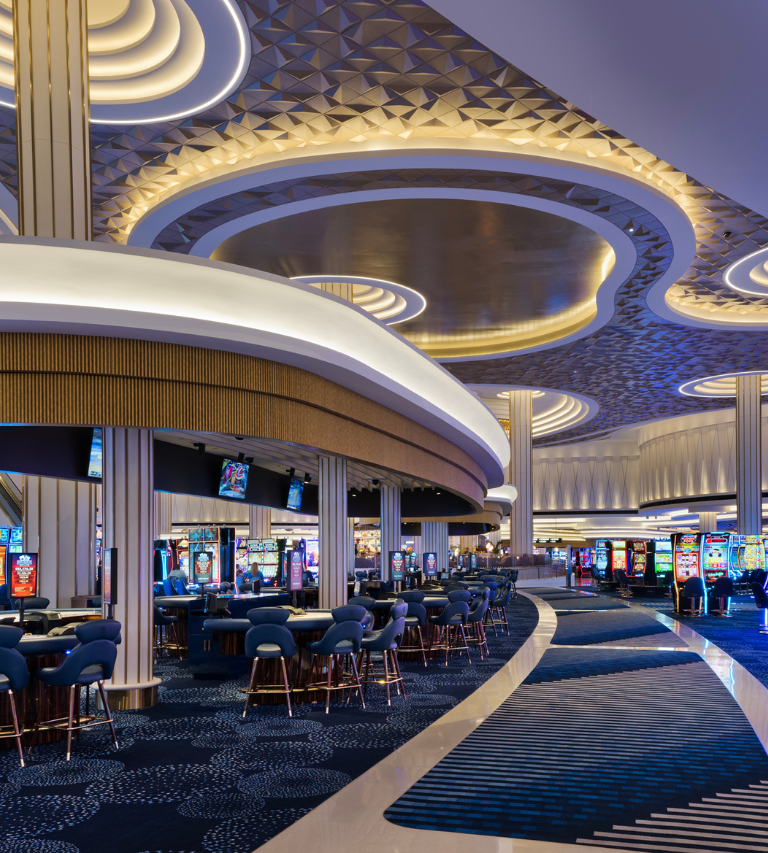
The casino environment is meticulously designed to enhance the gambling experience. From vibrant lights and sounds to the arrangement of gaming tables, every aspect is crafted to keep players engaged. For example, the constant ringing of slot machines and the chatter of fellow gamblers create an atmosphere charged with excitement and urgency. This sensory overload can lower inhibitions, prompting players to gamble more than they initially intended. The design manipulates not just what players see, but what they feel, creating an emotional connection that can lead to longer gambling sessions.
Additionally, casinos often employ strategies to manipulate spatial awareness. The absence of clocks and windows in many establishments minimizes awareness of time, allowing players to lose track of how long they have been gambling. This design principle effectively traps gamblers within a bubble of entertainment, making it easy to justify prolonged play and additional spending. This creates an environment where time seems irrelevant, allowing the thrill of the game to overshadow rational decision-making about time and money spent.

The positioning of games can also influence gambling behavior. High-stakes games may be placed in areas of high foot traffic to attract more players, while more casual games can be nestled in quieter corners for those looking to savor a relaxed experience. This careful arrangement can lead to impulse gambling, where players feel compelled to join a game simply because it’s readily accessible and appealing. Casinos are well aware that their layout can guide player behavior, and they utilize this knowledge to maximize engagement and spending, ensuring that patrons remain enthralled by the games available.
The psychology of winning and losing
The emotional highs and lows associated with gambling profoundly affect players’ psychology. Winning, especially large sums, elicits feelings of euphoria and elation. This can create a cyclical pattern where the thrill of winning motivates players to continue gambling, sometimes leading to reckless behavior. Players may seek the same rush from subsequent games, often risking larger sums of money in hopes of replicating their winning streak. This dynamic illustrates how the psychology of winning can become a double-edged sword, propelling players into further gambling even when they should walk away.
Conversely, losses can elicit feelings of frustration and disappointment. The emotional impact of losing can lead to a phenomenon known as loss aversion, where the pain of losing is felt more intensely than the pleasure of winning. This imbalance compels gamblers to chase their losses, leading them to gamble more in an attempt to recoup money lost, further entrenching them in a cycle of addiction. The emotional rollercoaster of gambling makes it difficult for players to maintain a balanced perspective on their experiences, often leading to irrational decisions fueled by the desire to recover from losses.
Surprisingly, even small wins can be psychologically significant. These victories provide intermittent reinforcement, which is a powerful motivator in behavior patterns. The unpredictability of winning small amounts keeps players engaged, creating a false sense of continued success that can keep them returning to play. This dynamic illustrates how both winning and losing are integral to the gambling experience, influencing players’ decisions and emotional states in profound ways. The mixed outcomes can lead to a gambler feeling invincible at times, even as they navigate the complex emotional landscape of the casino environment.
The role of addiction
Understanding gambling addiction begins with recognizing the symptoms that can affect individuals differently. Some people may find themselves gambling more frequently, unable to stick to budgets or rationalize their spending to family and friends. The compulsion can stem from underlying psychological issues such as anxiety, depression, or a desire for escape from daily life. For some, gambling becomes a way to cope, filling a void that other activities cannot. The isolation that can accompany addiction often exacerbates the problem, making it difficult for individuals to seek help.
Neuroscience has also shed light on gambling addiction, revealing that the brain’s reward pathways are activated during gambling, much like they are during substance abuse. This biochemical response can create a dependency on gambling as players seek that rush, leading to escalated betting behavior over time. Many gamblers may not realize they have developed an addiction until it negatively impacts various areas of their lives, including relationships, work, and financial stability. The insidious nature of gambling addiction can make it particularly challenging to identify and address until significant damage has been done.
Effective treatment for gambling addiction often includes therapy, support groups, and sometimes medication. Cognitive behavioral therapy (CBT) has proven particularly useful in helping individuals recognize and modify harmful behaviors and thought patterns associated with gambling. However, recovery is a complex process, requiring commitment, support, and a willingness to navigate the challenges of breaking free from the grip of addiction. Education about the nature of gambling and its psychological effects can also play a critical role in preventing relapse, empowering individuals to make healthier choices moving forward.
Understanding responsible gambling and resources
Responsible gambling aims to create a balance between enjoying the thrill of the game and maintaining control over one’s behavior and finances. Many casinos and gambling organizations now promote the importance of responsible gambling practices. This includes setting time and money limits before gambling, recognizing personal triggers, and knowing when to walk away. These measures are critical for ensuring that gambling remains a form of entertainment rather than a destructive habit. Education about responsible gambling can help players develop a healthier relationship with gaming.
Additionally, numerous resources are available to assist those in need. Organizations often provide educational materials, self-assessment tools, and support hotlines to help individuals recognize the signs of problematic gambling. Many casinos themselves are increasingly taking initiatives to promote responsible gambling, including offering self-exclusion programs that allow players to voluntarily ban themselves from gaming activities if they feel they are losing control. This proactive approach can foster a safer gambling environment and encourage players to prioritize their well-being.
Furthermore, public awareness campaigns aim to inform the general public about the risks of gambling and the importance of seeking help. These initiatives encourage conversations about gambling-related issues, helping to destigmatize the struggles faced by those affected. By fostering a culture of awareness and support, society can work towards minimizing the potential harms associated with gambling while allowing individuals to enjoy it responsibly. This collective effort is essential in promoting a healthier gaming culture where fun and responsibility coexist.